





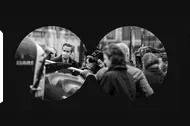



How the documentary “Naza” became a media crisis for Israel
The film’s account of alleged civilian casualties in Gaza has drawn political, security and diplomatic responses from Israeli authorities, amplifying international attention.
The documentary “Naza,” based on testimonies that its makers say came from 24 Israeli soldiers and intelligence officers, examines targeting practices and civilian casualties during the Gaza war. After winning a Special Jury Prize at Venice, it prompted condemnation and proposed investigations from Israeli political, military and security officials. Israel also issued diplomatic guidance to counter the film’s allegations. Reports cited in the source say the backlash helped expand the documentary’s international media visibility. The claims in the film and the official responses remain disputed.
TEHRAN — The documentary “Naza,” directed by Yuval Abraham and Rachel Shor, has become the focus of a political and media dispute in Israel after presenting what its makers describe as testimonies from 24 Israeli soldiers and intelligence officers about the identification of targets and assessment of civilian casualties during the Gaza war.
The film received the Special Jury Prize at the Venice Film Festival, where its premiere was followed by approximately 25 minutes of standing applause, according to the report. Its reception soon moved beyond the film-festival circuit, prompting responses from Israeli political, military and security officials and drawing wider international media attention.
Israeli political response
Prime Minister Benjamin Netanyahu accused the filmmakers of contributing to what he called “global antisemitic incitement” and criticized the reception they received in Venice.
Culture and Education Minister Miki Zohar also condemned the film and raised the possibility of revoking the Israeli citizenship of Abraham and Shor. He later asked the Interior Ministry to examine whether proceedings to revoke their citizenship could be initiated.
According to Israel’s Channel 11, Zohar also wrote to David Zini, head of the Shin Bet, requesting an investigation into the sources and handling of information used in the documentary. The request reportedly included examining who provided the information, how it was obtained and whether classified material had been unlawfully disclosed or used. Zohar also raised the possibility of foreign involvement and alleged links between those involved and Hamas.
Military and security concerns
The Israeli military rejected the film’s content and described its allegations as false. Channel 13 reported that the chief of staff ordered an examination of possible legal action against the film and people involved in its production, as well as an investigation into a possible leak of classified information.
At a special meeting with senior commanders, Chief of Staff Eyal Zamir reportedly said that “Naza” presented an inaccurate picture of Israeli military conduct and disregarded efforts to reduce harm to civilians. He characterized the film as part of an organized effort to undermine the legitimacy of the military and the Israeli state.
A specialist working group was subsequently established to examine the film’s allegations and develop responses. The military spokesman’s unit was also instructed to arrange interviews with senior commanders and officials who served during the Gaza war, including pilots and intelligence officers, in order to present Israel’s account.
Diplomatic efforts
As coverage of “Naza” increased, Israel’s response also extended to the diplomatic arena. Haaretz reported that the Foreign Ministry circulated guidance to Israeli embassies and diplomatic missions, instructing them on how to address the film and its political and media consequences.
The guidance reportedly focused on rejecting the film’s allegations and emphasizing Israel’s official account of the Gaza war. It also attributed civilian deaths to Hamas and alleged that the group used civilians as human shields. These claims were presented in the report as part of Israel’s response and were not independently verified in the supplied material.
The Israeli Film Council announced an urgent meeting on the procedures for assessing films representing Israel at international events. Zvi Sukkot, chairman of the Knesset’s Education, Culture and Sports Committee, also called for a special session on the documentary. Reports further described a demonstration outside the home of a family member of one of the filmmakers.
Backlash that increased attention
According to diplomatic sources cited by Haaretz, the Israeli response generated more media coverage than the film might otherwise have received. One source at Israel’s Foreign Ministry said the issue of civilian killings could have become a media headline regardless, but that the state’s intervention produced additional attention.
A European diplomat told Haaretz that the anger and strong reactions from Israeli officials expanded interest in the documentary beyond cinema audiences and gave it a broader international profile. The diplomat said that much of the subsequent coverage focused not on the film itself, but on the authorities’ treatment of its makers.
International media outlets subsequently reported on the documentary, the threats to revoke the filmmakers’ citizenship and the possibility of legal or security investigations into its production. A German newspaper published both a report on the film and a separate article about attacks against its creators. British media, which initially covered the documentary mainly in cultural sections, reportedly broadened their coverage after the Israeli backlash.
The supplied report portrays “Naza” as having moved from a festival documentary to a wider dispute involving cinema, politics, security, diplomacy and competing accounts of the Gaza war. Its allegations, and the official responses to them, remain contested in the material provided.